
It’s 2026, and if your business isn’t using AI, you’re likely already behind. But if you’re using AI without a dedicated security strategy, you’re likely already compromised, you just don’t know it yet.
At CyberLite, we’ve seen the shift. AI has moved from a "cool experiment" to the literal engine of the modern enterprise. It’s writing your code, summarizing your meetings, and handling your customer support. But as AI tools become more integrated, they create new "doors" for attackers to walk through.
The good news? You don’t need a Fortune 500 budget to lock those doors. You just need a "right-sized" approach to AI security. Here is how you integrate AI into your business safely, strategically, and without losing sleep.
1. Start With an Inventory (The "Shadow AI" Problem)
You can't secure what you don't know exists. In most companies today, employees aren't waiting for IT's permission to use AI. They are already using ChatGPT, Claude, or specialized AI plugins to speed up their work. This is what we call "Shadow AI."
The first step in your security strategy is building a living inventory of every AI tool in your ecosystem. This includes:
- Third-party SaaS AI: Tools like Microsoft 365 Copilot or Jasper.
- Internal Models: Any LLMs your dev team might be self-hosting.
- AI APIs: Integrations your website uses to talk to OpenAI or Anthropic.
By mapping your "AI attack surface," you can start applying the same rigorous standards you use for any other software.
2. Implement "Right-Sized" Governance (vGRC)
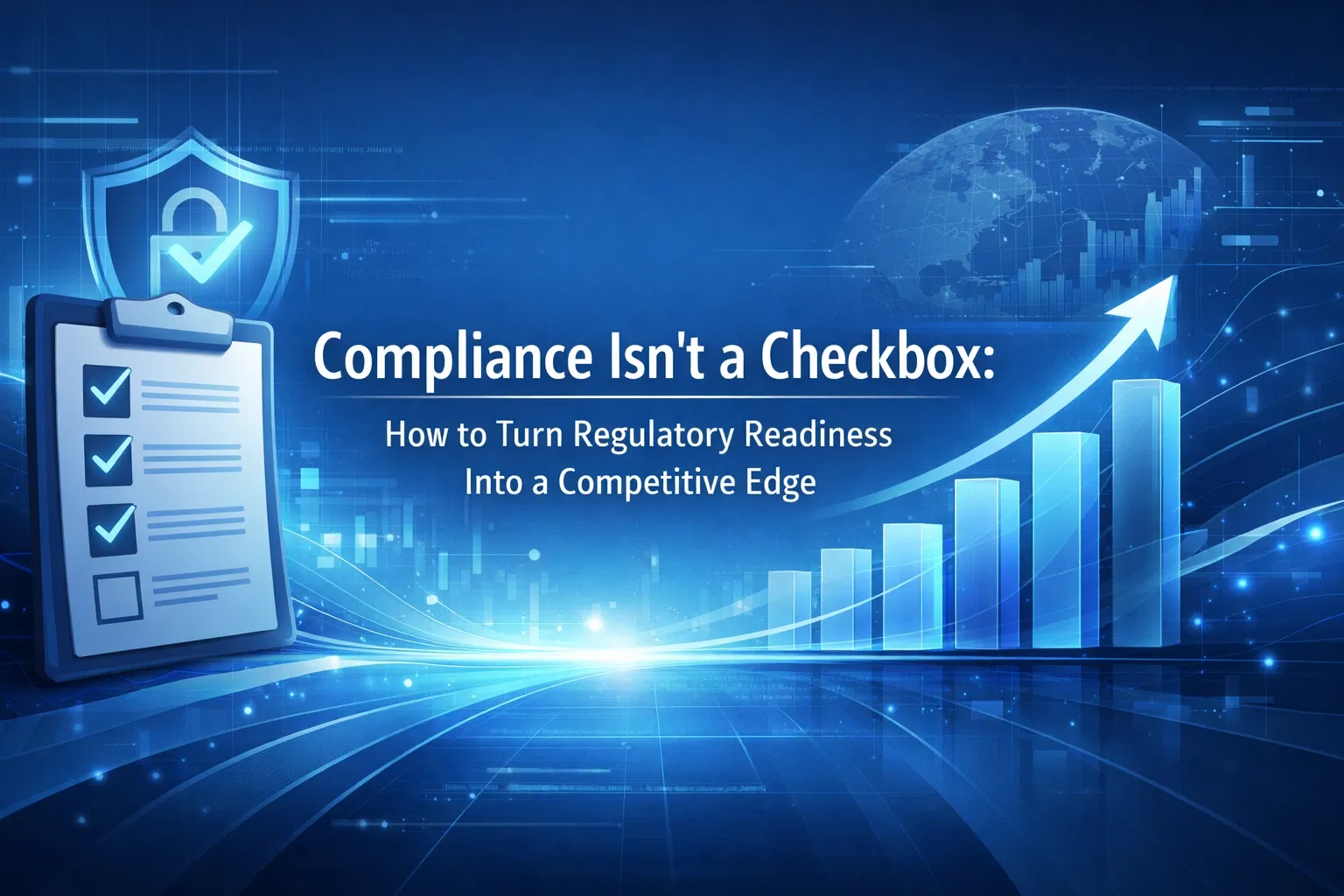
Compliance used to be a dirty word, a box-ticking exercise that slowed everyone down. In 2026, compliance is your competitive edge. With the EU AI Act and updated NIST frameworks, showing your customers that you handle their data responsibly is a major selling point.
This is where Virtual GRC (vGRC) comes in. Instead of hiring a full-time compliance department, a vGRC approach allows you to automate risk management. You should align your AI strategy with two core frameworks:
- NIST AI Risk Management Framework (RMF): A gold standard for mapping and managing AI risks.
- OWASP LLM Top-10: This helps your technical teams defend against specific AI threats like prompt injection and data poisoning.
3. Secure the Data Pipeline
AI is hungry for data. But if you feed it sensitive customer information or proprietary code without safeguards, that data can leak. In 2026, we’ve seen "prompt injection" attacks where a simple chat message can trick an AI into revealing its training data or system secrets.
To prevent this, you need:
- Data Masking: Ensure sensitive PII (Personally Identifiable Information) is stripped before it ever hits an AI model.
- RBAC (Role-Based Access Control): Just because an employee has access to a tool doesn't mean they should have access to the entire data pool the AI is connected to.
- Just-In-Time (JIT) Access: Especially for AI agents, access should be granted only when needed and revoked immediately after the task is done.
4. The Strategic Edge: Why You Need a vCISO
Most mid-market businesses don’t need a $300,000-a-year full-time CISO. But they do need the strategic leadership a CISO provides, especially when navigating the complexities of AI.
A Virtual CISO (vCISO) provides that high-level roadmap. They can help you decide which AI tools are worth the risk, vet your AI vendors, and ensure your security posture improves as you scale. Instead of reacting to the latest headline, a vCISO helps you build a proactive strategy that treats security as a business enabler, not a roadblock.
5. 24/7 Monitoring: Fighting AI With AI
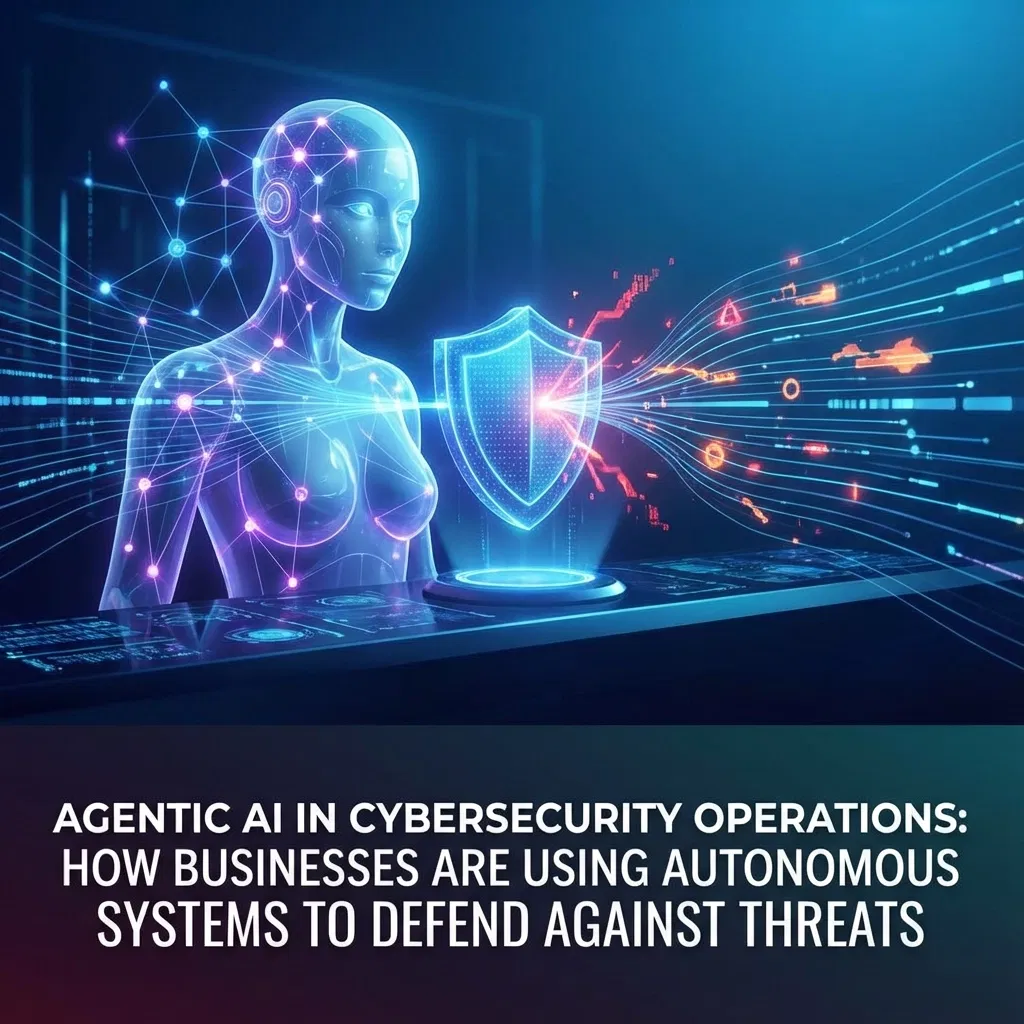
The hackers are using AI too. AI-driven ransomware and highly personalized phishing campaigns are now the norm. If your security team only works 9-to-5, you are vulnerable for two-thirds of the day.
This is where a modern Security Operations Center (SOC) becomes essential. At CyberLite, our SOC is based in Phoenix, AZ, and we pride ourselves on a sub-15 minute incident response time.
By using AI-enhanced monitoring tools, we can detect anomalous behavior, like an AI agent suddenly trying to export your entire database, and shut it down before it becomes a breach. You need continuous surveillance that understands the "behavioral signatures" of AI tools.
6. Vendor Vetting is Non-Negotiable
When you sign up for a new AI tool, you aren't just buying software; you're entering a data partnership. You need to ask the hard questions:
- Where is my data stored?
- Is my data used to train your "global" model? (The answer should usually be "no.")
- What are your encryption standards for data at rest and in transit?
If a vendor can’t provide a SOC 2 Type II report or a clear AI security policy, they aren't ready for your business.

The Bottom Line
Integrating AI doesn't have to be a gamble. By combining strategic leadership (vCISO), automated compliance (vGRC), and proactive monitoring (SOC), you can harness the power of AI while keeping your data under lock and key.
The goal isn't just to be "secure": it's to be resilient. In the fast-moving world of 2026, the businesses that win will be the ones that can adopt new tech fast, knowing their foundation is solid.
Ready to secure your AI future?
Schedule a free cybersecurity consultation at CyberLite and let's build a roadmap that fits your business.